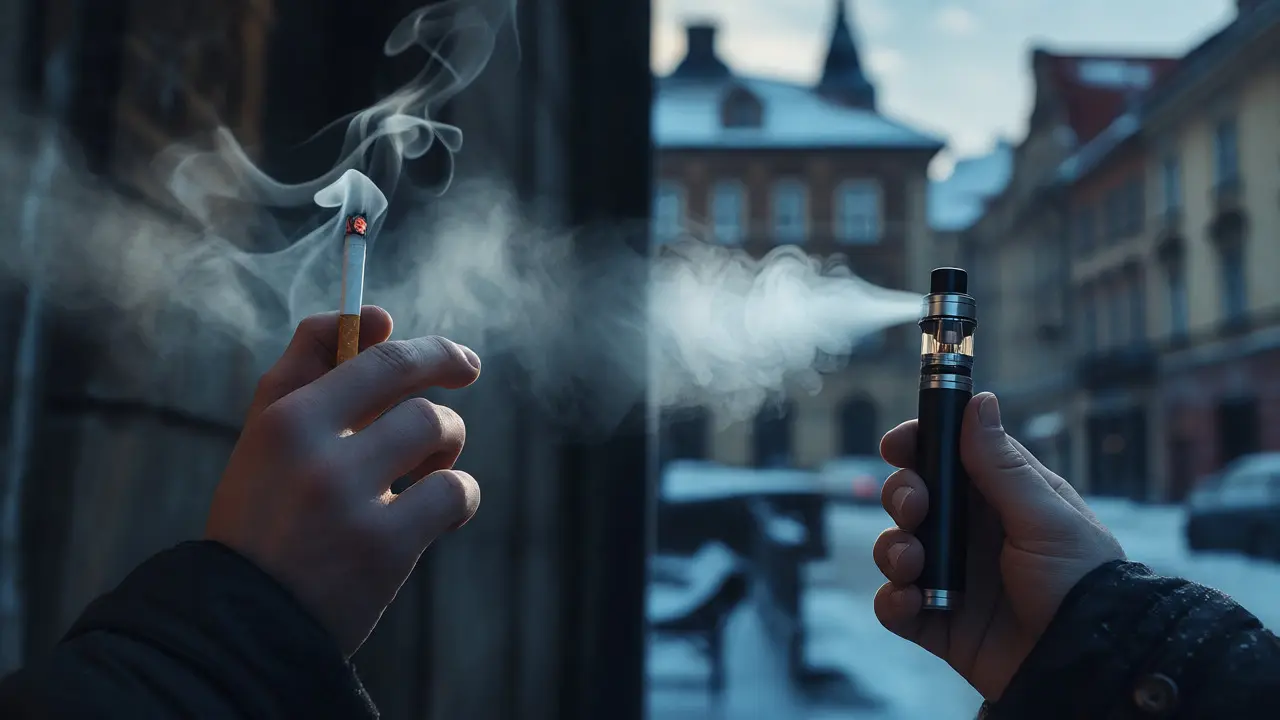
Imagine standing outside in the freezing Czech winter, waiting for that one moment of relief from stress or nicotine cravings. For decades, the answer was simple: light up a cigarette. But today, many people are looking at CBD vape as a potential replacement. The question isn't just about legality or taste-it's about survival. Is swapping tobacco for cannabidiol actually saving your lungs, or are you just trading one set of chemicals for another? Let's cut through the marketing noise and look at what happens inside your body when you inhale these different substances.
The Chemistry of Combustion vs. Vaporization
To understand the risk, you have to understand the mechanism. Traditional cigarettes rely on combustion. When you burn tobacco, the temperature reaches over 800°C (1472°F). This process creates tar, carbon monoxide, and thousands of carcinogenic compounds. It’s not just the nicotine that kills; it’s the smoke. In contrast, vaping devices, including those used for CBD oil, heat liquid to a much lower temperature, typically between 150°C and 300°C. This creates an aerosol, often mistakenly called vapor, rather than smoke. The absence of combustion eliminates tar and significantly reduces carbon monoxide exposure. However, this doesn't mean the aerosol is harmless water vapor. It contains fine particles and volatile organic compounds that still interact with lung tissue.
Analyzing the Ingredients: What Goes Into the Cartridge?
Not all vapes are created equal, and neither are cigarettes. A standard cigarette contains tobacco leaves treated with additives like ammonia to speed up nicotine absorption. On the other hand, a CBD cartridge usually contains three main components: CBD isolate or full-spectrum extract, a carrier fluid (like propylene glycol or vegetable glycerin), and flavorings. The quality of these ingredients matters immensely. Cheap, unregulated cartridges might contain pesticides, heavy metals, or residual solvents from the extraction process. High-quality products undergo third-party lab testing to ensure purity. If you’re using a low-grade product, you might be inhaling contaminants that cigarettes don’t necessarily have in the same concentration, but without the massive load of combustion byproducts.
| Feature | Traditional Cigarette | CBD Vape Cartridge |
|---|---|---|
| Primary Mechanism | Combustion (Burning) | Vaporization (Heating) |
| Main Toxins | Tar, Carbon Monoxide, Benzene | Formaldehyde (if overheated), Flavoring chemicals |
| Addictive Substance | Nicotine | None (CBD is non-psychoactive and non-addictive) |
| Lung Irritation | High (Chronic inflammation) | Moderate (Can cause coughing if PG/VG ratio is wrong) |
| Regulation Status (EU/CZ) | Strictly regulated tobacco laws | Food supplement or novel food regulations vary |
The Verdict on Lung Health
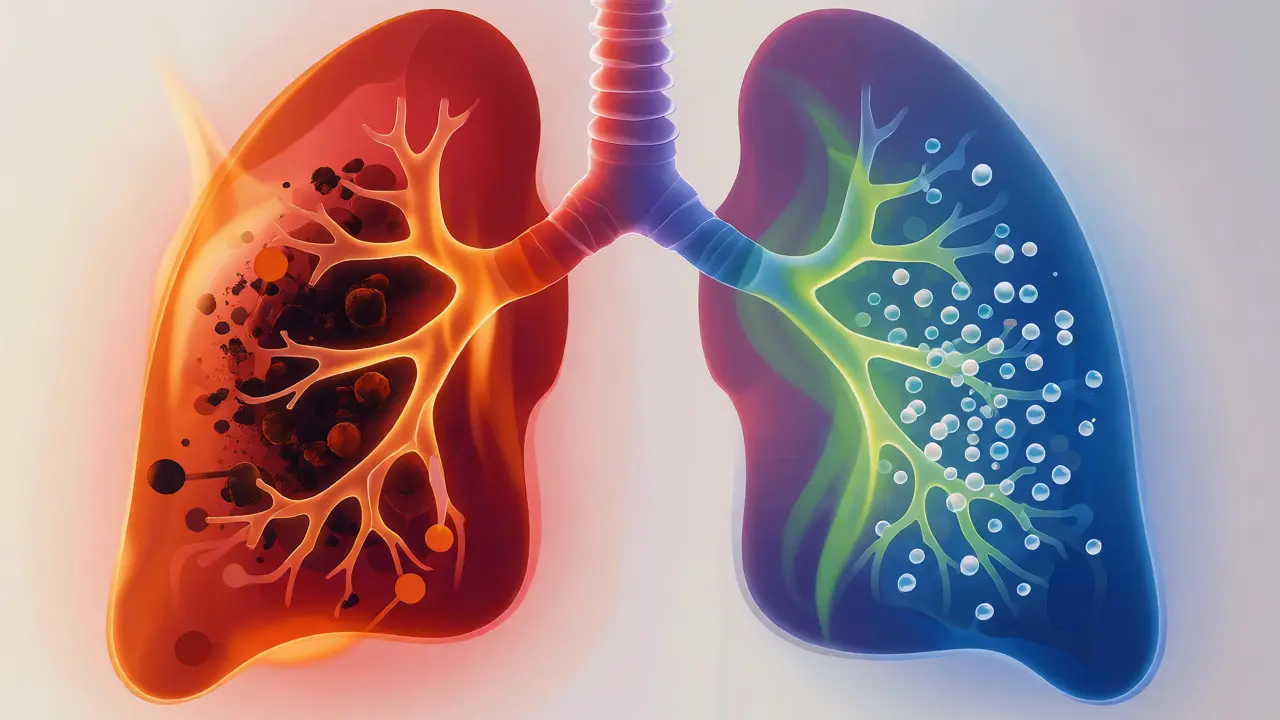
So, is it worse? Current scientific consensus suggests that switching from smoking to vaping generally results in immediate improvements in respiratory function. A study published in the journal *Annals of Internal Medicine* found that smokers who switched to e-cigarettes saw significant reductions in biomarkers associated with cancer and heart disease risk within weeks. While long-term data on vaping is still emerging compared to the century-long history of cigarette research, the acute damage caused by burning tobacco is undeniable. CBD itself has anti-inflammatory properties, which theoretically could help soothe airways, though inhaling any foreign substance carries some risk. The key differentiator here is the absence of nicotine in pure CBD products. Nicotine constricts blood vessels and raises blood pressure, contributing to cardiovascular issues. By removing nicotine, you remove a major driver of heart disease associated with smoking.
Risk Factors Specific to Vaping
It would be dishonest to say vaping is perfectly safe. There are specific risks tied to the hardware and liquids. One concern is "popcorn lung" (bronchiolitis obliterans), linked to diacetyl, a flavoring agent once common in buttery flavors. Most reputable manufacturers have removed diacetyl, but it’s worth checking labels. Another issue is thermal degradation. If a vape device is set too high, the carrier fluids can break down into formaldehyde and acrolein, which are toxic aldehydes. This is less of a risk with modern temperature-controlled devices. Additionally, there have been cases of EVALI (e-cigarette or vaping product use-associated lung injury), largely linked to Vitamin E acetate in THC cartridges, not necessarily pure CBD. Still, it highlights the importance of knowing exactly what is in your tank. Unlike cigarettes, where the contents are standardized, the vape market is fragmented. Your safety depends heavily on your choice of brand and source.
Psychological Dependence and Habits
Smoking is as much a behavioral habit as it is a chemical addiction. The ritual of holding something, the hand-to-mouth action, and the social aspect play huge roles. Many former smokers find that CBD vaping helps bridge this gap because it mimics the physical act of smoking without the nicotine crash. This psychological substitution can be powerful. However, relying on vaping to manage stress might create a new dependency loop, even if it’s not chemically addictive. You might find yourself reaching for the vape pen whenever you feel anxious, similar to how smokers reach for a cigarette after meals. Breaking the physical habit takes time, regardless of whether you are inhaling tobacco smoke or CBD vapor.
Legal and Quality Considerations in the Czech Republic
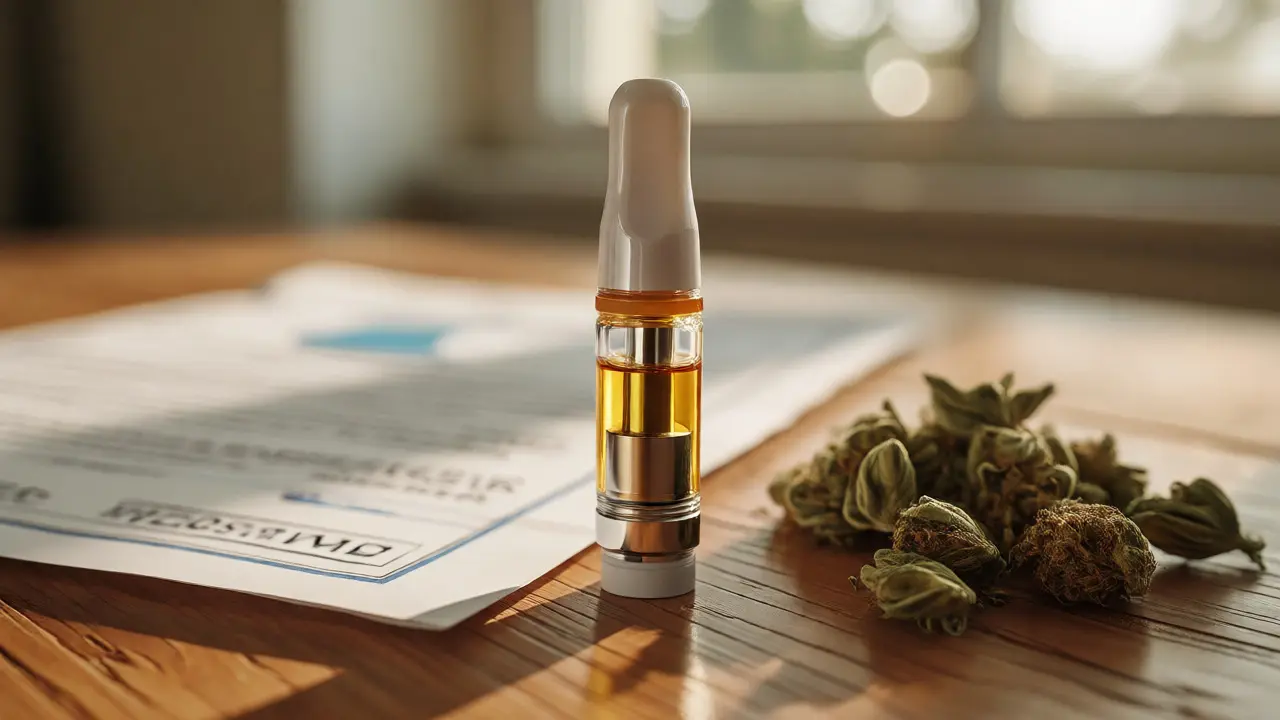
If you live in the Czech Republic, navigating the legal landscape is crucial. Since 2022, hemp-derived products with less than 1% THC are legal. However, the regulation of CBD vapes specifically falls into a gray area sometimes classified under novel foods or consumer goods. This means quality control isn't always as strict as it is for pharmaceuticals or traditional tobacco. Always look for certificates of analysis (COA) from independent labs. These documents verify the potency of CBD and screen for contaminants like mold, bacteria, and pesticides. Buying from reputable local shops in Olomouc or established online retailers reduces the risk of getting a subpar product that could harm your lungs more than a standard cigarette would.
Key Takeaways
- Combustion is the main enemy: Burning tobacco creates far more toxins than heating liquid.
- Nicotine matters: Removing nicotine removes significant cardiovascular risks.
- Quality varies: A cheap, contaminated vape juice can be worse than a clean cigarette.
- Temperature control: Avoid overheating your device to prevent toxic aldehyde formation.
- Habit replacement: Vaping effectively replaces the physical ritual of smoking.
Frequently Asked Questions
Is vaping CBD safer than smoking tobacco?
Generally, yes. Vaping avoids the combustion process, which produces tar and carbon monoxide-two of the most harmful components of cigarette smoke. While vaping is not completely risk-free, it exposes users to fewer toxic chemicals compared to traditional smoking.
Does CBD vape contain nicotine?
Pure CBD vape cartridges do not contain nicotine. They contain cannabidiol derived from hemp. Some products may add nicotine artificially, so always check the label if you want to avoid it completely.
Can vaping CBD cause lung damage?
While less damaging than smoking, vaping can irritate the lungs, especially if the device is overheated or if the liquid contains harmful additives like vitamin E acetate. Long-term effects are still being studied, but current evidence suggests it is less harmful than tobacco smoke.
Is CBD vape legal in the Czech Republic?
Yes, CBD products derived from industrial hemp with less than 1% THC are legal in the Czech Republic. However, regulations regarding their sale as consumables can be complex, so buying from certified vendors is recommended.
How does CBD affect anxiety compared to cigarettes?
Cigarettes provide temporary relief from withdrawal symptoms, which feels like relaxation but is actually just normalizing nicotine levels. CBD interacts with the endocannabinoid system and may reduce actual anxiety without creating physical dependence, offering a more sustainable way to manage stress.

Samuel Dvořák
Jsem odborníkem na hhc h4cbd cbd thcp thcv hhc-p hhc-o a vaping. Mým hlavním zájmem je psaní o cbd a významu pro alternativní medicínu. Působím jako konzultant a výzkumník v tomto průmyslu s hlavním zaměřením na chemii těchto složek.